Sculpture
Maja Petric creates dynamic light sculptures that allow the opportunity for people to engage their innate connection with each other and the environment.
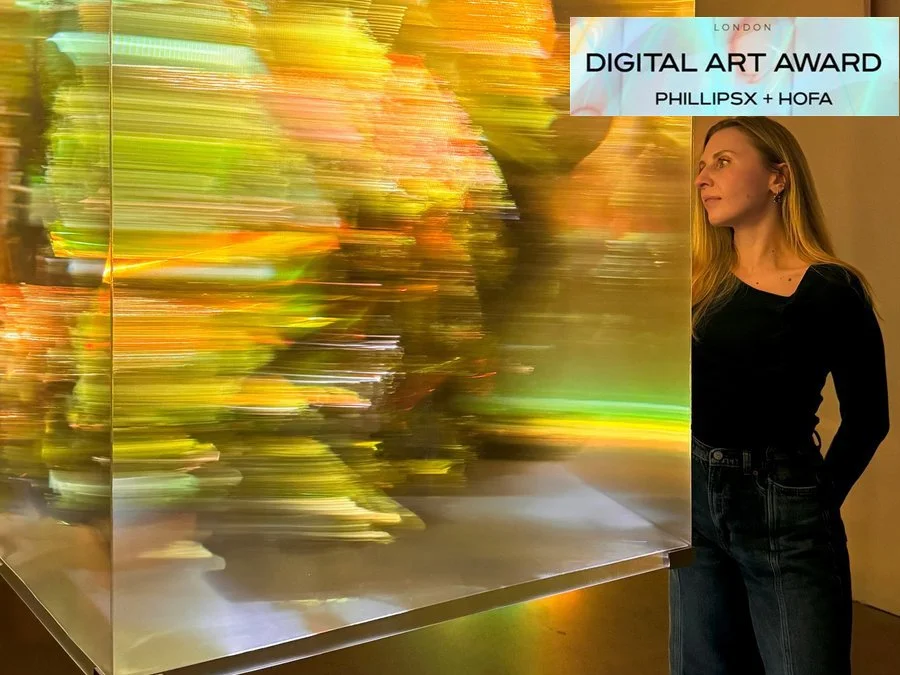
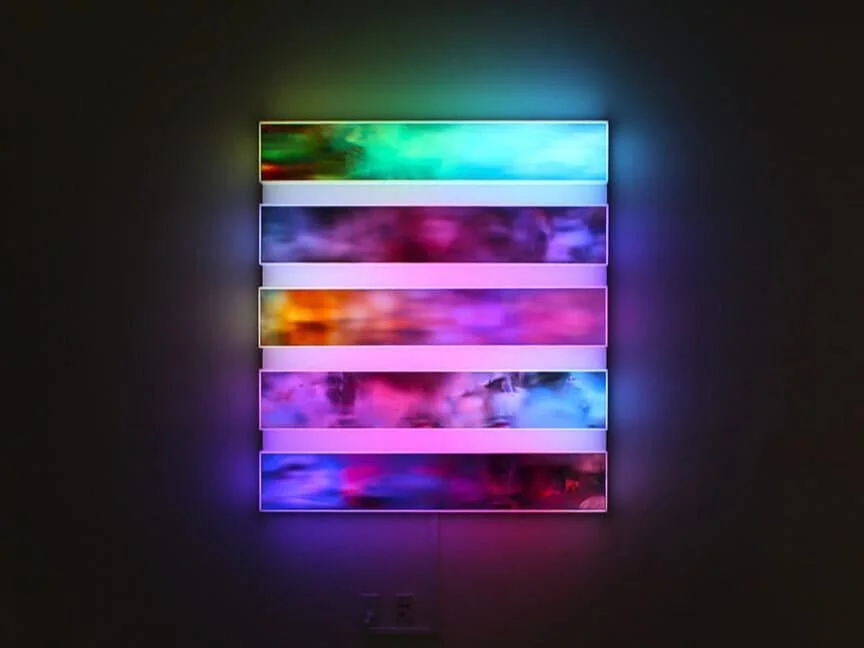
Specimens of Time: Burn is a suspended sculpture that uses optical materials, light, and real-time data to encapsulate the sensory essence of Pacific Northwest rainforests. The sculpture reflects ecosystem stress by responding to temperature changes, highlighting the fragility of this pristine environment.
Custom software visualizes these shifts by comparing real-time data from the Olympic Peninsula with 20-year historical averages. When temperatures exceed the norm, red highlights emerge, translating climate change into a tangible, immersive narrative. This piece invites viewers to engage with nature's beauty and its vulnerability.
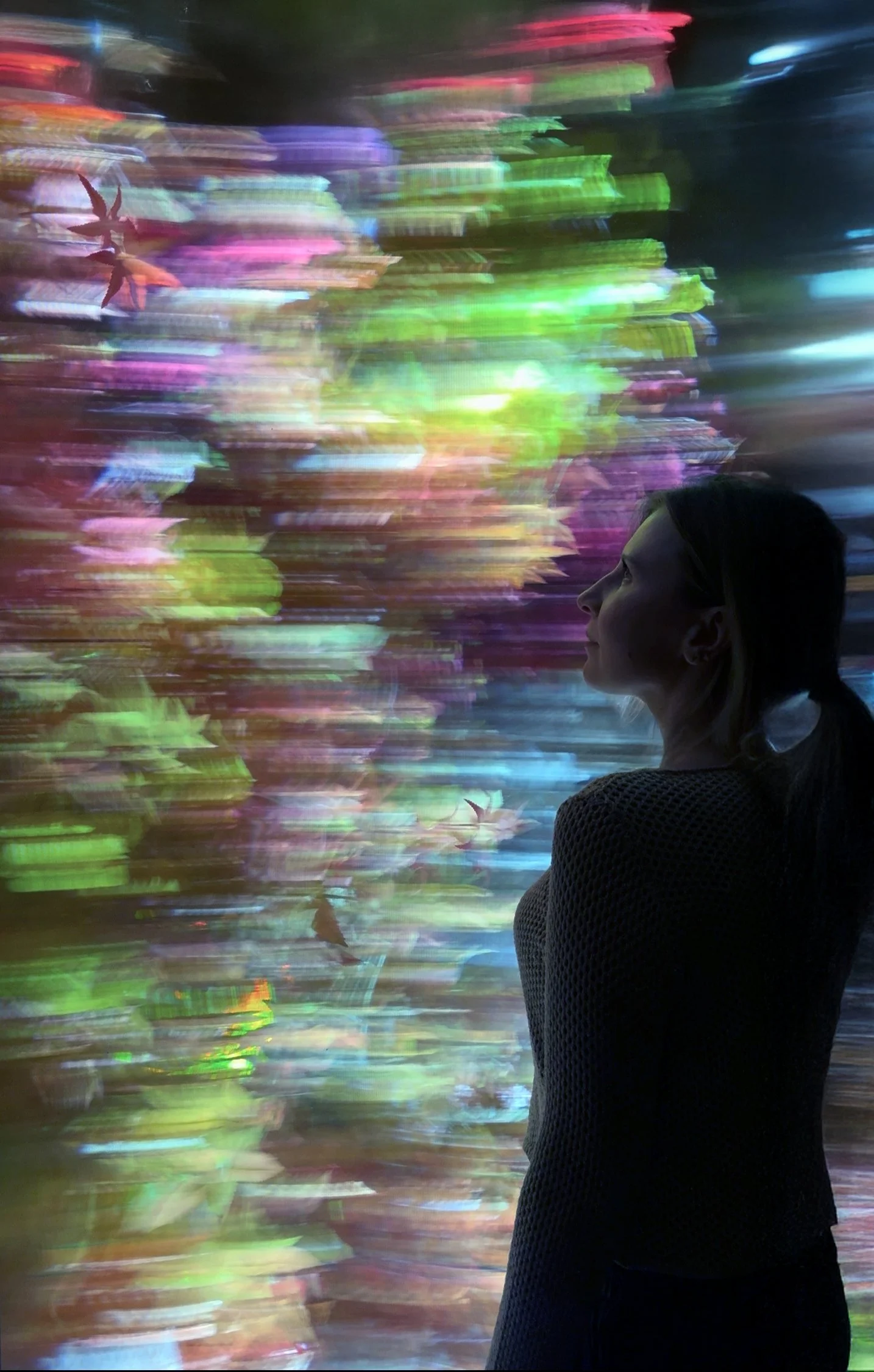
Specimens of Time: Gwangneung is a data-driven light installation that recreates the atmosphere of Gwangneung Forest as a living presence. Instead of showing images of the forest, the artwork expresses what it feels like to be inside it, echoing gentle daylight, drifting mist, and the soft shifts of brightness found in nature.
The artwork responds to real-time temperature data from Korea. When the temperature rises above the long-term average, the light slowly shifts into blue and purple tones, signaling moments when the forest is under environmental stress.
Inside the sculpture, layers of translucent materials, organic elements, and hand-built components create a space for light to move through. As the light bends, scatters, and changes color, it produces patterns that never repeat. The artwork is always evolving, offering viewers a continuously changing experience of the forest’s living atmosphere.

Specimens of Time: Rebirth
A short film imagining a future where rainforests have vanished. A cryogenically preserved human awakens into a world without nature. Set inside the data-driven sculpture Specimens of Time: Burn, the film combines generative projections with a performance by dancer Genna Carey. Through movement and light, it explores the loss of our connection to nature—and the fragile hope of remembering and restoring it.Concept and Art: Maja PetricDance and Performance: Genna CareyCinematography: Jake Magraw

We the Light is an interactive sculpture commissioned by Meta, designed to transport visitors into an otherworldly experience by simulating a cosmos and incorporating their presence into the constellations. Maja Petric combined cutting-edge technology such as AI, lighting, and multilayered etched mirrors to elicit a sense of infinity. Standing at 35 feet in width and 12 feet in height, it is the biggest permanent interactive sculpture in the world.
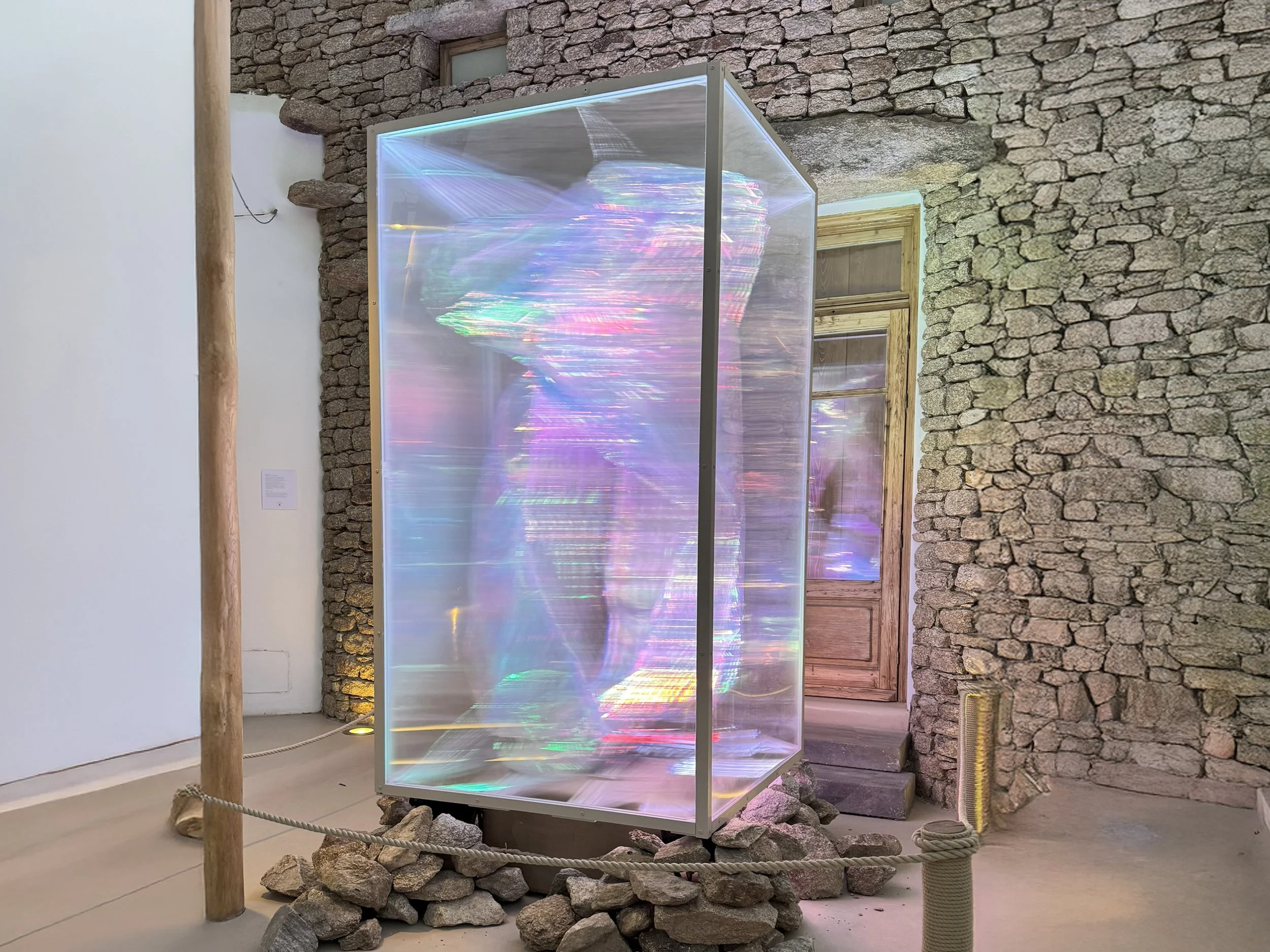
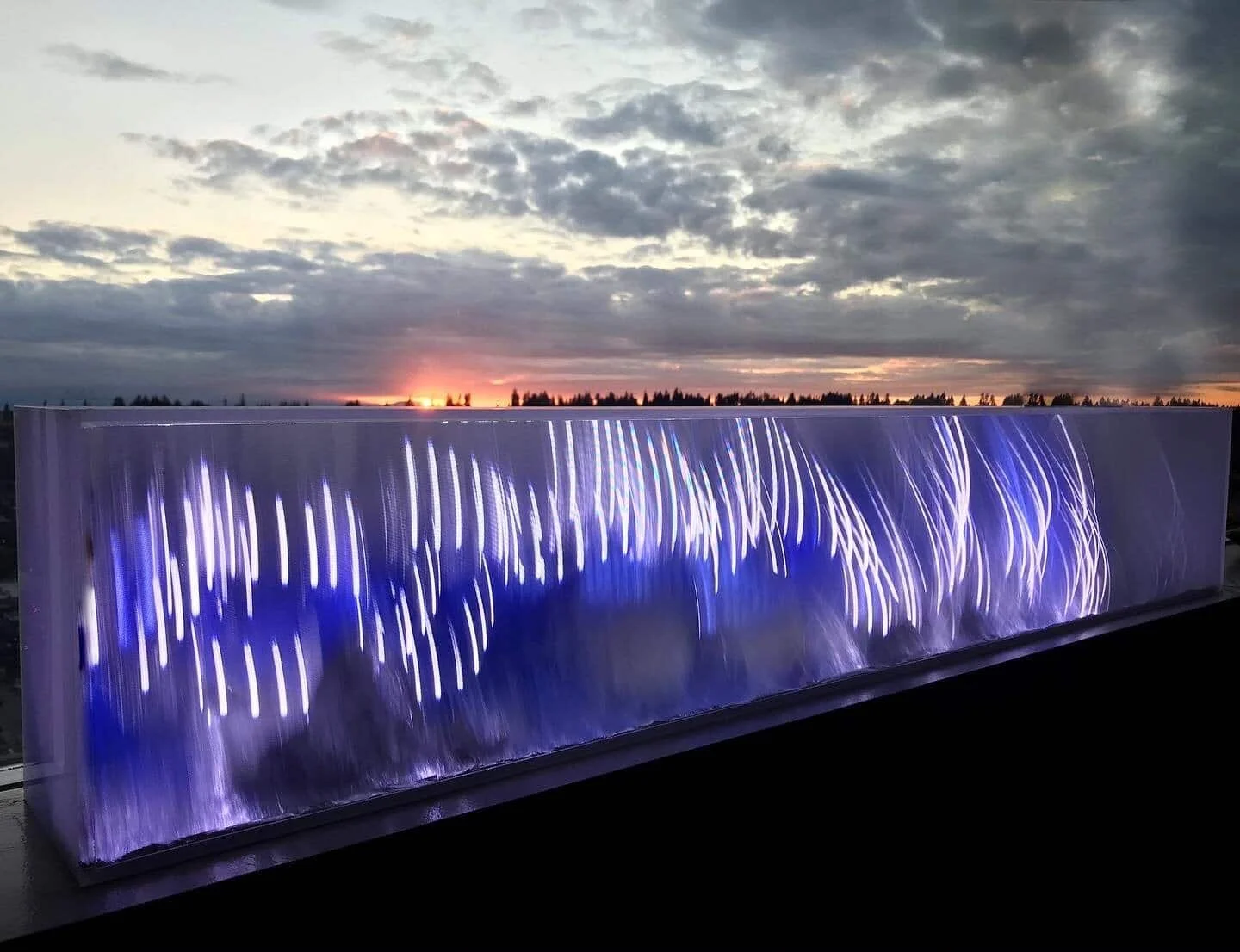
Specimens of Time: Mykonos is part of Specimens of Time, a series of data-driven light sculptures that preserve the sensory imprint of pristine natural environments, bottling atmosphere as luminous, data-driven artifacts for a future in which those ecosystems may no longer exist.
This installation captures the fleeting essence of the Aegean coast through volumetric light, holographic materials, and environmental data. Suspended on a barren beach as a seemingly levitating cube, its interior lightscape shifts to mirror the rhythm of the sea’s atmosphere. Using data recorded over the past year, the sculpture translates changes in temperature into evolving light patterns. When the recorded water temperature rises beyond its normal seasonal range, the piece gradually shifts toward red in a parametric, wave-like motion, visually signaling the warming of the sea. It is both artifact and atmosphere: a living memory rendered in light, continuously replaying the conditions of a fragile coastal ecosystem.

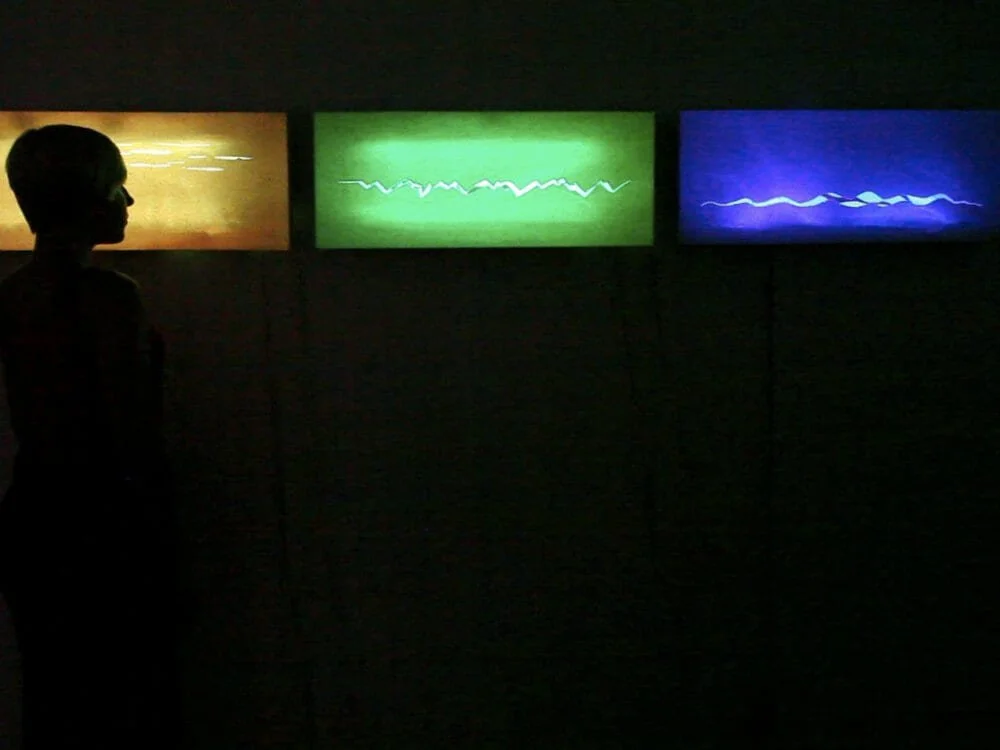
Specimens of Time: Spectrum is an exhibition of data-driven light sculptures that preserve the atmosphere of Earth’s most precious natural environments—those slipping away in real time. Each sculpture acts as an illuminated artifact, capturing the ephemeral qualities of radiant sunlight, alpine snow, coral reefs, and ancient rainforests before they vanish or transform beyond recognition.

Specimens of Time: Getbol is part of Specimens of Time, a series of data-driven light sculptures that preserve the sensory imprint of pristine natural environments—bottling atmosphere into luminous, algorithmic artifacts for a future in which those ecosystems may no longer exist.
This work draws inspiration from Korea’s Getbol, the expansive tidal flats along the southwestern coast that are among the world’s most ecologically rich and visually striking landscapes. These wetlands breathe with the sea, following daily cycles of submersion and exposure that sustain a vast network of life. They serve as vital feeding grounds for migratory birds, nurseries for marine species, and natural protectors against climate extremes. But with rising sea levels, this delicate balance is unraveling—the flats remain submerged for longer periods, losing oxygen and biodiversity in a slow, suffocating collapse.
The sculpture is composed of custom optical materials—including formed reflective acrylics, holographic filters, and light-scattering films—encased within a minimal, architectural light box. Embedded projectors cast generative visuals into a layered interior, simulating atmospheric changes reminiscent of drifting clouds and shifting light. Onboard processors interpret live environmental data from the Getbol region—such as tide levels, temperature, and wind—to drive the evolving light behavior. Red traces of light represent rising temperatures in real time, gradually overtaking the cooler, earthy hues that reflect the natural palette of the flats. What first appears as an abstract, meditative object slowly reveals itself as a living portrait of an ecosystem in flux—an ambient, data-driven elegy for a vanishing landscape.
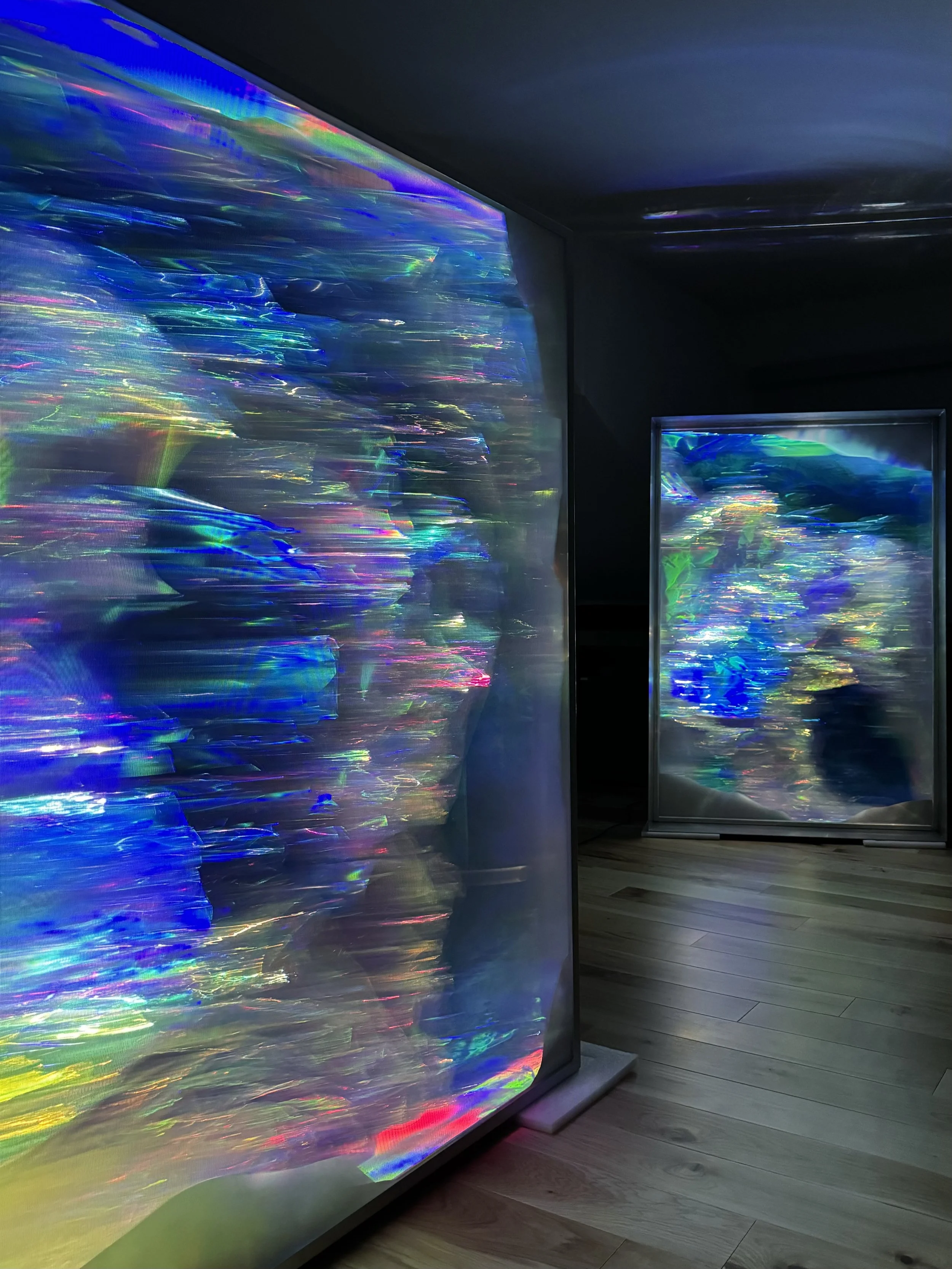
A dynamic light sculpture made to evoke the visceral essence of untouched polar landscapes. Optical materials, light, and generative algorithms are used in its creation to capture the reflection of light off ice, which is known as albedo. The artwork is permanently installed on the National Geographic Resolution ship, traveling from the Arctic to Antarctica.
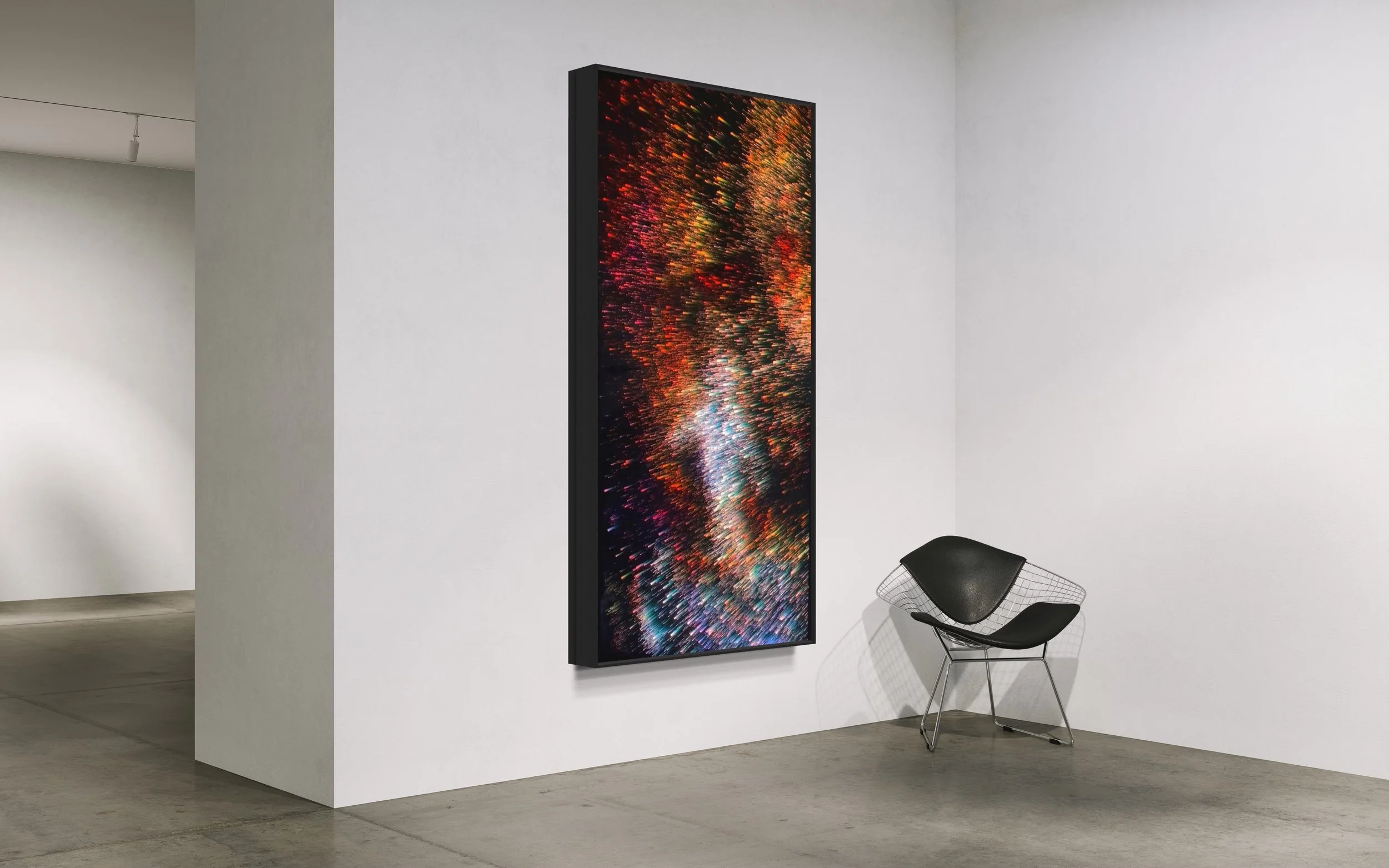
I the Light
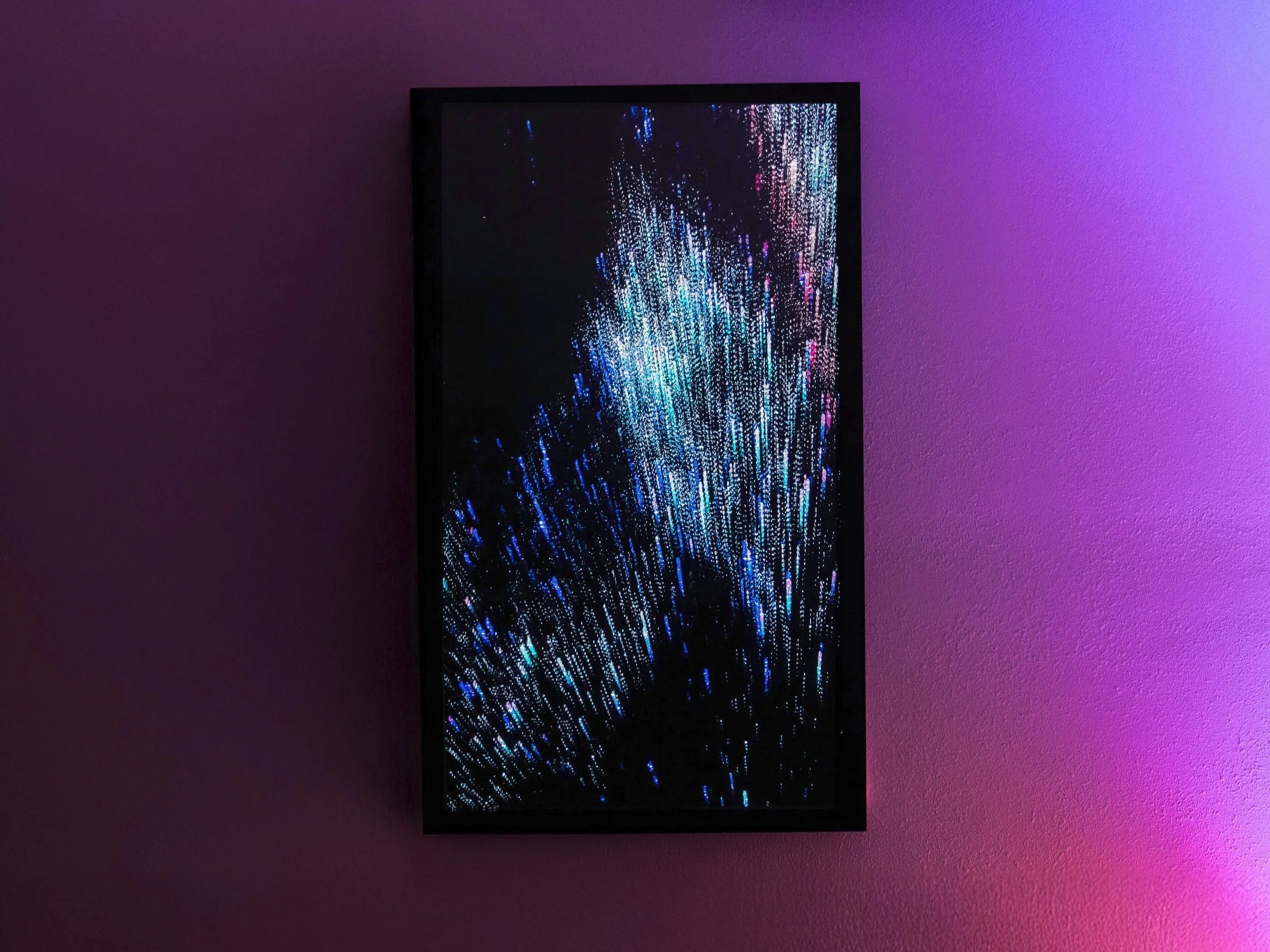
Glimpse, We the Light is a generative video artwork that captures the endless pulse of the cosmos—a shimmering starscape in constant transformation. Derived from recordings of I, the Light sculpture, the piece reflects the universe’s perpetual cycle of creation and dissolution, where light embodies both memory and fleeting moments.
Blending sculptural and digital elements, the video combines optical lenses and screens to create a holographic illusion—stars appear to drift beyond the surface, shimmering and sparkling as if floating weightlessly in space. This interplay of light and optics creates a sense of depth and texture, with stars blooming, fading, and coalescing in an ever-changing celestial rhythm.

A generative sculpture that utilizes real-time data, optical materials and light to portray the visceral essence of the Coral Barrier Reef.
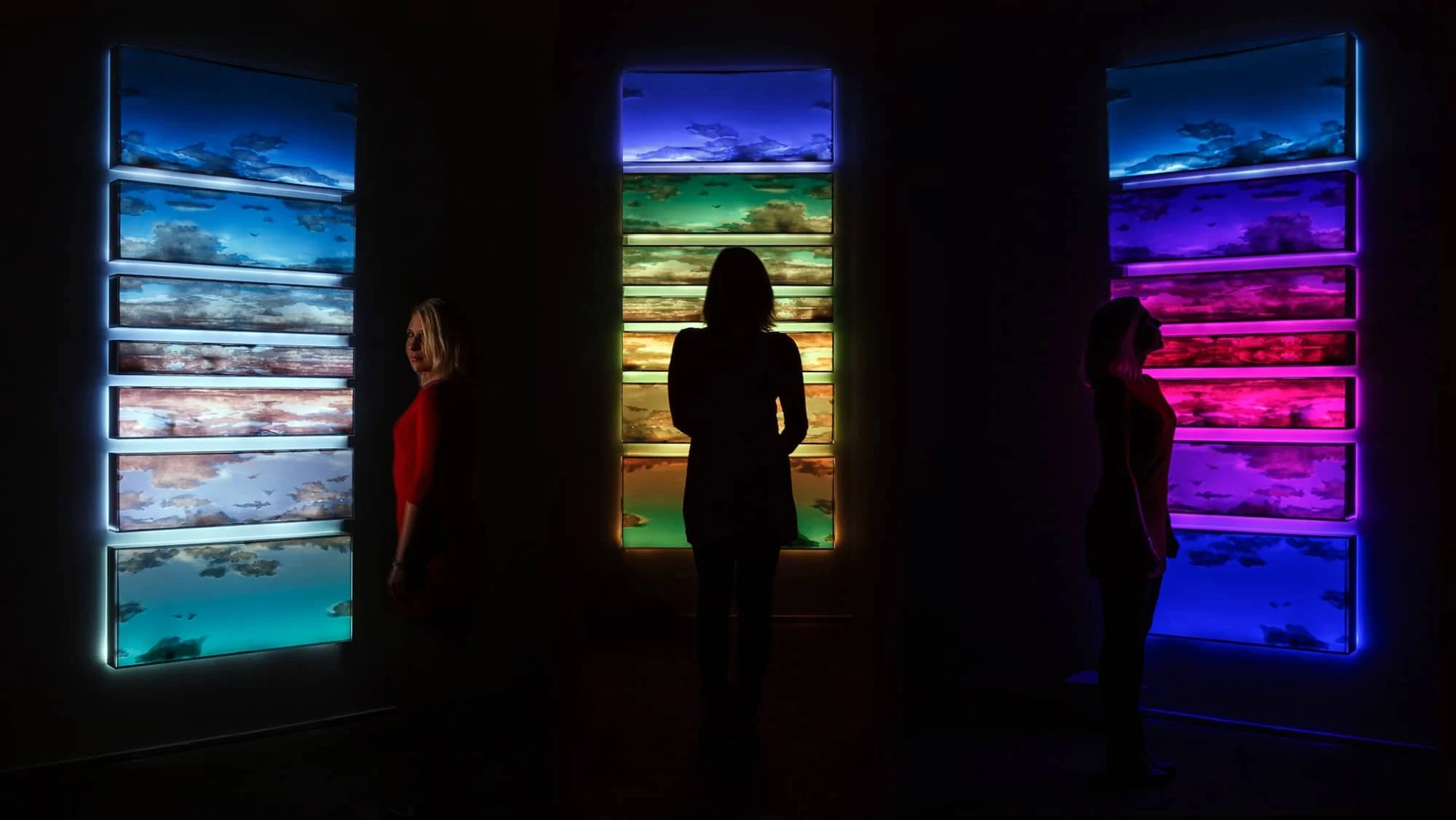
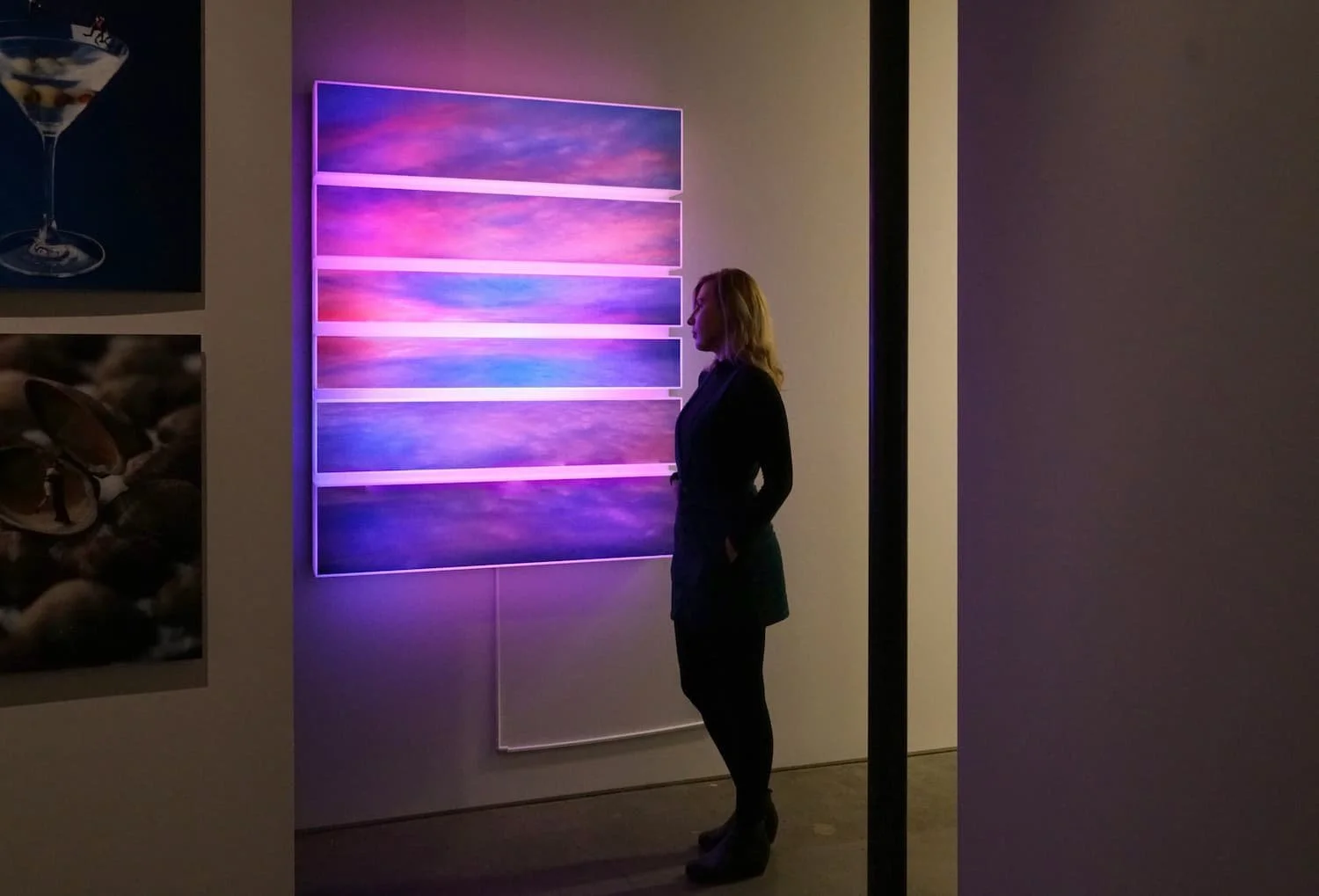
Skies is a generative light art sculpture that portrays the ever-changing sky in Zagreb, Croatia. Comprising seven light boxes stacked on top of one another, each box captures the distinct details of the sky. Together, they create a seamless view of the open sky, enhanced by algorithmically programmed dynamic lights and optical filters within the acrylic structure.


We The Stars is a generative light art sculpture emulating an ever-changing starscape in which every baby born becomes one among the stars. Just like the composition of the universe, the depiction of the interstellar landscape is constantly evolving. The same state is never repeated. Stars appear to grow and explode, fade, merge and continually expand.